Removal Costs and Budgeting: What Should You Expect to Pay?
Moving house can be expensive and removal costs are one of the biggest things to factor into your budget. The price of your move can vary quite a bit depending on the size of your property, how far you’re travelling and the services you need.
The good news is that with a little planning, you can get a clearer idea of what your move is likely to cost and avoid unexpected expenses along the way. Here are some of the main things to consider when budgeting for your removal.
What Affects the Cost of Removals?
There isn't one fixed price for a house move. Every move is different, so a removals company will usually consider several factors when working out the cost.
- The size of your move: The number of bedrooms can give a rough indication of how much needs to be moved, but the actual volume of your belongings is more important. A three-bedroom house with minimal furniture could cost less to move than a smaller property packed with items.
- The distance: A local move will generally cost less than a longer-distance move. More time on the road means additional fuel, mileage and working hours to consider.
- Access to the properties: Difficult access can add time to a move. This could include narrow roads, limited parking, flights of stairs, flats without lifts or a long distance between the property and the removal vehicle.
- Specialist equipment: Large, heavy or awkward items may require additional equipment or specialist handling.
- When you're moving: The time of year and day of the week can affect availability and, in some cases, the cost. If you have some flexibility over your moving date, it can be worth asking about different options.
- Additional services: Packing, storage, furniture dismantling and reassembly can all add to the overall cost. These services can make moving much easier, but it's important to include them in your budget from the beginning.
Don't Forget About Additional Moving Costs
The removal quote itself isn't the only expense you'll have to consider. Depending on your circumstances, there may be additional costs involved in getting your belongings from one property to another.
For example, you may need to budget for parking fees or permits, particularly if you're moving to or from a busy town centre or a property with restricted parking.
If you have valuable or fragile possessions, such as antiques, artwork or other high-value items, check what insurance cover is included with your removal service. You may need to make additional arrangements depending on the item and the level of cover required.
Other costs to consider include:
- Packing materials such as boxes, tape and protective wrapping
- Specialist handling for large or heavy items
- Storage if your move-out and move-in dates don't line up
It's much easier to manage your budget when you know about these costs before moving day rather than being caught out by them later.
Arrange a Removals Survey
One of the best ways to get a more accurate idea of your removal costs is to arrange a removals survey. During a survey, the removal company can assess the amount you need to move, look at access to both properties and identify anything that could make the move more complicated.
Having this information early means the company can provide a more accurate quotation based on your individual requirements. It also makes budgeting much easier. Rather than trying to guess how much your move might cost based on the size of your home, you'll have a clearer figure to work with.
Ways to Keep Your Removal Costs Down
There are several things you can do to reduce the cost of moving without making the whole process more difficult.
- Get several quotes: Comparing removal companies can help you find a competitive price. However, don't automatically choose the cheapest option. Check exactly what's included in each quote, including insurance, packing and any potential additional charges.
- Declutter before you move: Moving is a great opportunity to get rid of things you no longer need. The less you have to transport, the less space, time and handling your move may require.
- Pack your own belongings: If you have the time, packing yourself can save money compared with using a full packing service.
- Consider a DIY move: Hiring a van and moving everything yourself may seem like the cheapest option, particularly for a smaller move. However, remember to factor in the cost of the van, fuel, insurance and any equipment you'll need, as well as the time and effort involved.
- Prepare before moving day: Have boxes packed, labelled and ready to go. If needed, dismantle furniture in advance and make sure there is a clear route to the removal vehicle.
How We Can Help
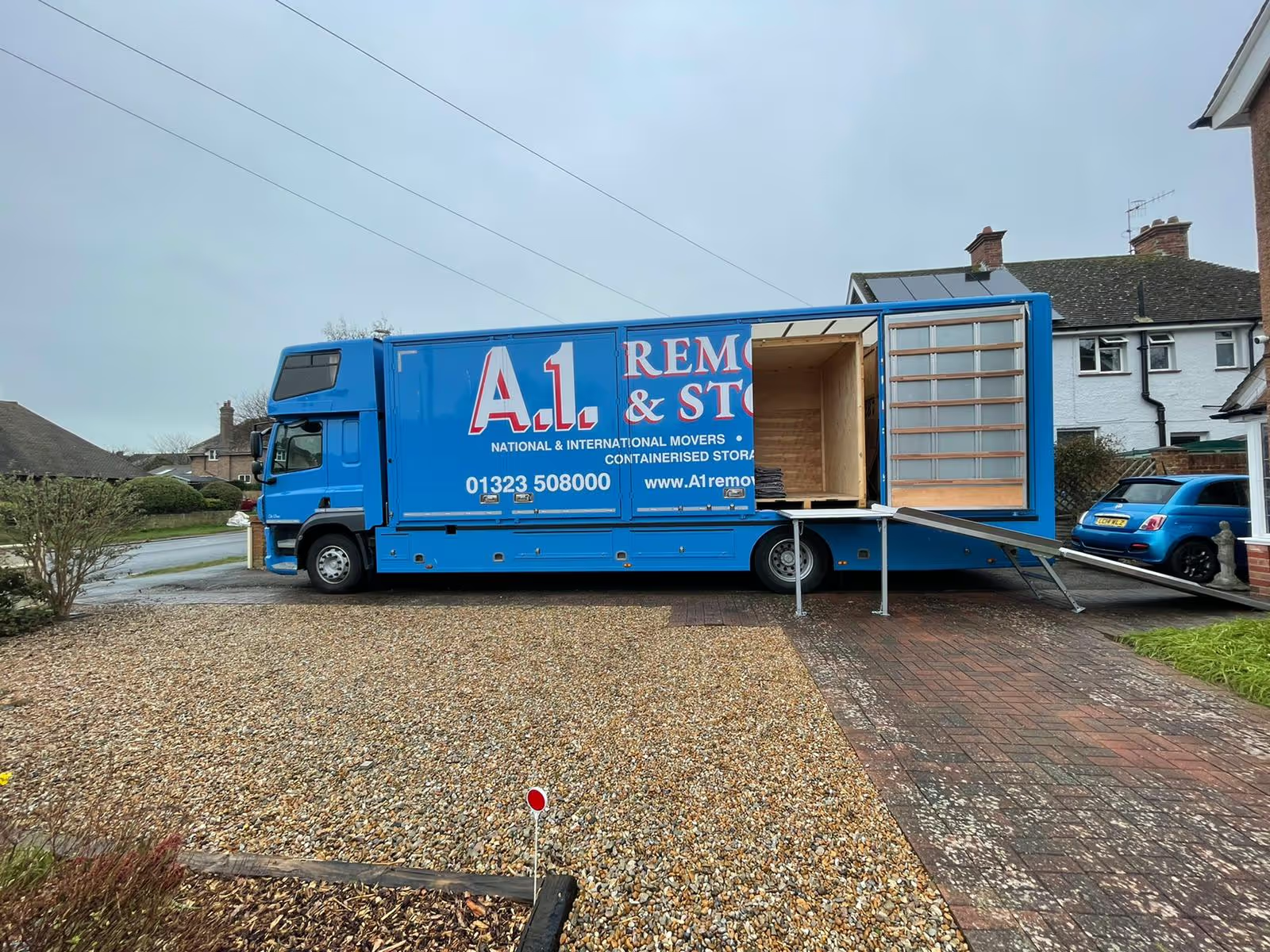
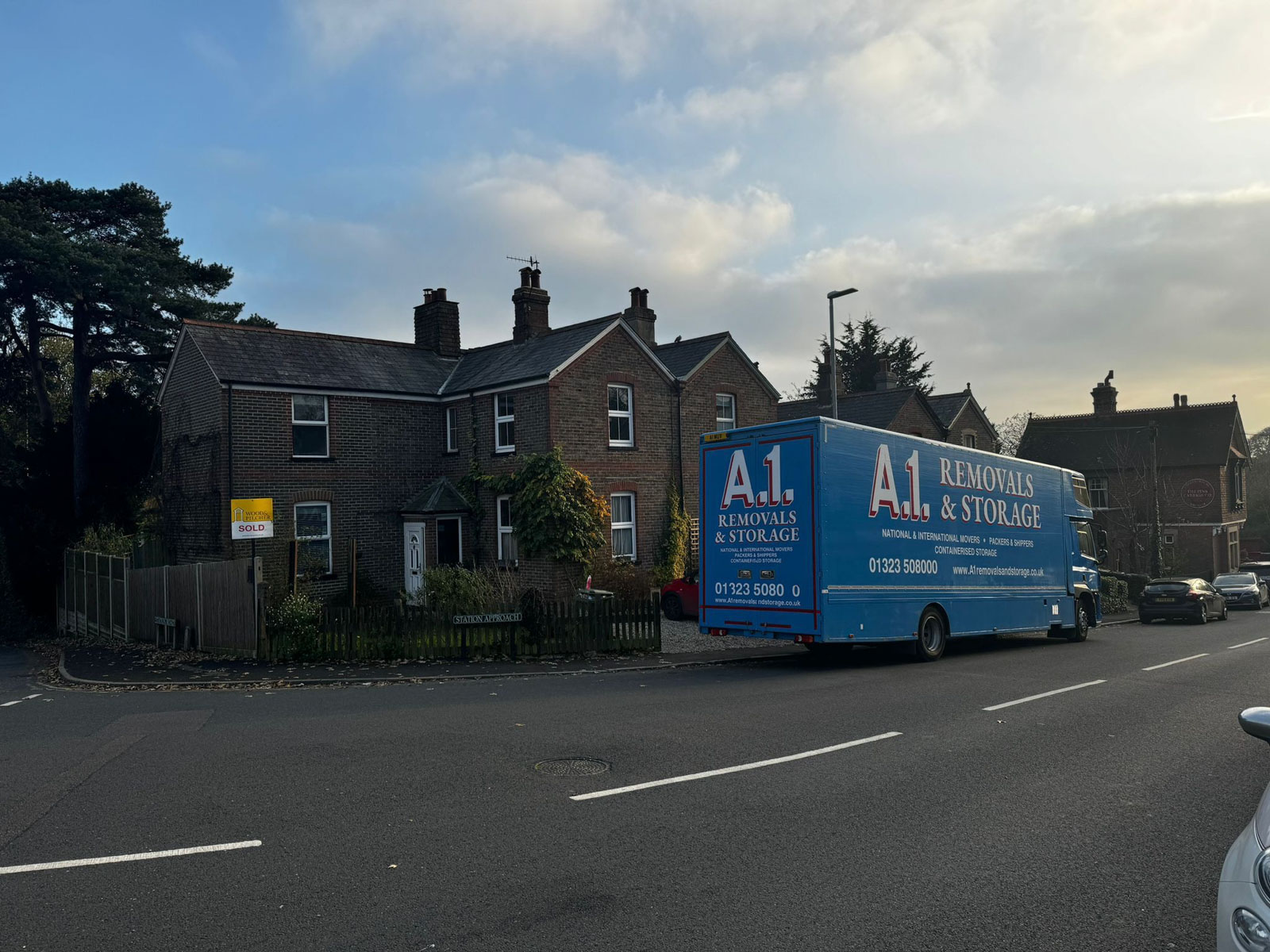
At A1 Removals & Storage, we understand that moving house involves more than simply getting your belongings from A to B. From removals and packing to flexible storage solutions, our team can help you plan your move around your needs and budget.
Get in touch to find out more information or to book a free home survey.